

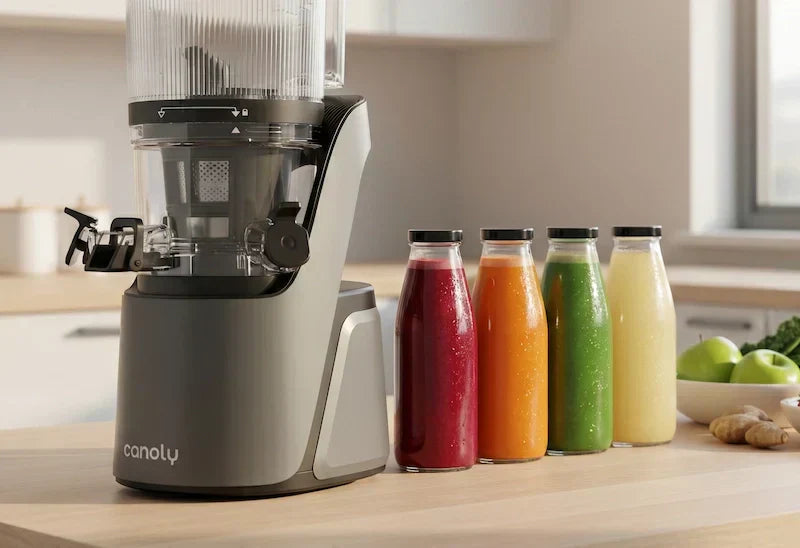
The biggest mistake new juicers make is picking the wrong ratio. Five stalks of kale to one apple sounds healthy, but it produces a bitter, grassy liquid most people pour down the drain by day three.
The recipes below are built around weight-based ratios refined from beginner feedback. Each recipe lists ingredients in the order they should enter the chute, expected yield in milliliters, and a one-line note on flavor profile.

What Makes a Recipe "Beginner-Friendly"?
A beginner-friendly cold press juice recipe uses 5 or fewer ingredients, follows a 70-80% fruit-and-mild-vegetable base with 20-30% leafy greens or potent roots, and yields at least 240 ml of juice per session.
That last number matters. If a recipe gives you 90 ml of murky liquid after juicing $6 of produce, you'll quit by week two. Beginners need volume and visible reward.
A few non-negotiable prep rules before any recipe:
- Wash everything in cold water for 30 seconds minimum. The EWG Dirty Dozen 2024 list flags strawberries, spinach, and kale as the most pesticide-heavy items in US grocery stores — exactly the produce that ends up in juice.
- Cut produce to fit your feed chute. Most cold press augers handle 3-4 cm pieces. Larger chunks cause stalling.
- Juice greens between two firmer items. Leafy greens like spinach extract poorly when fed alone; sandwiching them between an apple and a cucumber pushes the leaves through the auger cleanly.
The 80/20 Rule for Beginners
The 80/20 rule in juicing means 80% of each juice should come from vegetables and 20% from fruit, balancing nutrient with palatability and lower sugar load.
That's the textbook version. In practice, most new juicers do better starting at 60/40 vegetable-to-fruit and shifting toward 80/20 over 3-4 weeks as their palate adjusts.
A glass of cold pressed juice contains roughly 20-26 g of sugar at a 50/50 ratio versus 8-12 g at 80/20 (USDA FoodData Central, 2023) — meaningful, but not worth quitting over if the strict version tastes like lawn clippings.

7 Cold Press Juicer Recipes for Beginners
All ratios below are by weight (grams). Yields assume a slow-rotation auger juicer running at 40-80 RPM, which extracts roughly 15-25% more liquid than centrifugal models (Goodnature lab testing, 2022).
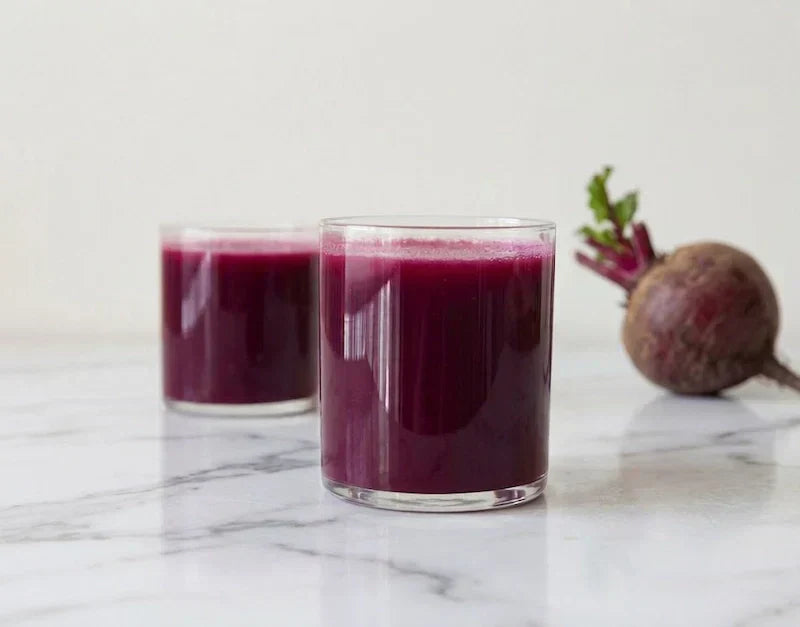
1. ABC Classic (Apple, Beet, Carrot)
The forgiving entry point. Naturally sweet, deeply colored, hard to ruin.
- 2 medium carrots (200 g)
- 1 small beet, peeled (120 g)
- 1 apple, cored (180 g)
- 1 cm fresh ginger (optional, 5 g)
Feed order: carrot → ginger → beet → apple.
Yield: ~340 ml.
Flavor: earthy-sweet with a peppery finish.
2. The Green Starter
Built for people who hate green juice. The pineapple does the heavy lifting.
- 200 g pineapple, peeled and cubed
- 1 cucumber (250 g)
- 2 stalks celery (90 g)
- 1 handful spinach (40 g)
- 1 small lemon, peeled (60 g)
Feed order: cucumber → spinach → celery → lemon → pineapple.
Yield: ~420 ml.
Flavor: tropical-forward, barely vegetal.
3. Morning Citrus Wake-Up
Five minutes, one citrus base, zero leafy greens — ideal for week one.
- 2 oranges, peeled (300 g)
- 1 grapefruit, peeled (250 g)
- 1 carrot (100 g)
- 2 cm turmeric root (10 g)
Feed order: turmeric → carrot → grapefruit → orange.
Yield: ~410 ml.
Flavor: bright, slightly bitter, warming.
4. Celery 70/30
A cleaner version of the popular straight celery juice. Easier to drink daily.
- 5 stalks celery (220 g)
- 1 green apple (170 g)
- 1 cucumber (200 g)
- 6 mint leaves
Feed order: mint → celery → cucumber → apple.
Yield: ~390 ml.
Flavor: crisp, mildly sweet, herbal.
5. Watermelon-Mint Hydrator
Summer-only, but worth waiting for. Watermelon yields roughly 90% of its weight as juice — the highest of any common fruit (USDA FoodData Central, 2023).
- 500 g watermelon flesh
- 1 lime, peeled (50 g)
- 8 mint leaves
- 1 cm ginger (5 g)
Feed order: mint → ginger → lime → watermelon.
Yield: ~470 ml.
Flavor: light, cooling, faintly spicy.
6. Anti-Inflammatory Roots
For experienced beginners (week 3+). Intense flavor, dense nutrient profile.
- 1 beet (150 g)
- 2 carrots (180 g)
- 2 cm turmeric (10 g)
- 2 cm ginger (10 g)
- 1 apple (180 g)
- ½ lemon, peeled (30 g)
Feed order: turmeric → ginger → carrot → beet → lemon → apple.
Yield: ~370 ml.
Flavor: sharp, spicy, faintly sweet.
7. Pineapple-Kale Reset
The recipe most likely to convert a green-juice skeptic.
- 250 g pineapple
- 60 g kale (about 4 leaves, stems removed)
- 1 cucumber (220 g)
- 1 green apple (160 g)
- ½ lime, peeled (25 g)
Feed order: kale → cucumber → lime → apple → pineapple.
Yield: ~440 ml.
Flavor: sweet-tart, lightly grassy.

Beginner Mistakes Worth Avoiding
A few patterns that show up constantly in beginner forums:
- Juicing the apple first. Hard, dry produce should follow soft, watery items to push residual pulp through the auger.
- Skipping the strainer rinse mid-batch. If you're making 2+ recipes back to back, a 10-second water flush between recipes prevents flavor crossover.
- Buying 5 kg of kale on day one. Start with 200 g portions until you know what you'll actually drink.
- Not weighing produce. Eyeballing ratios is the fastest way to a $3 glass of bitterness.
What Can You Put in a Cold Press Juicer?
A cold press juicer handles most firm fruits, vegetables, leafy greens, herbs, and soaked nuts, but struggles with high-starch produce, frozen items larger than 2 cm, and seeds from stone fruits.
Works well:
- Hard fruits: apples, pears, pineapple, citrus (peeled)
- Vegetables: carrots, celery, beets, cucumber, fennel, cabbage
- Leafy greens: kale, spinach, romaine, parsley, mint, basil
- Roots: ginger, turmeric, horseradish
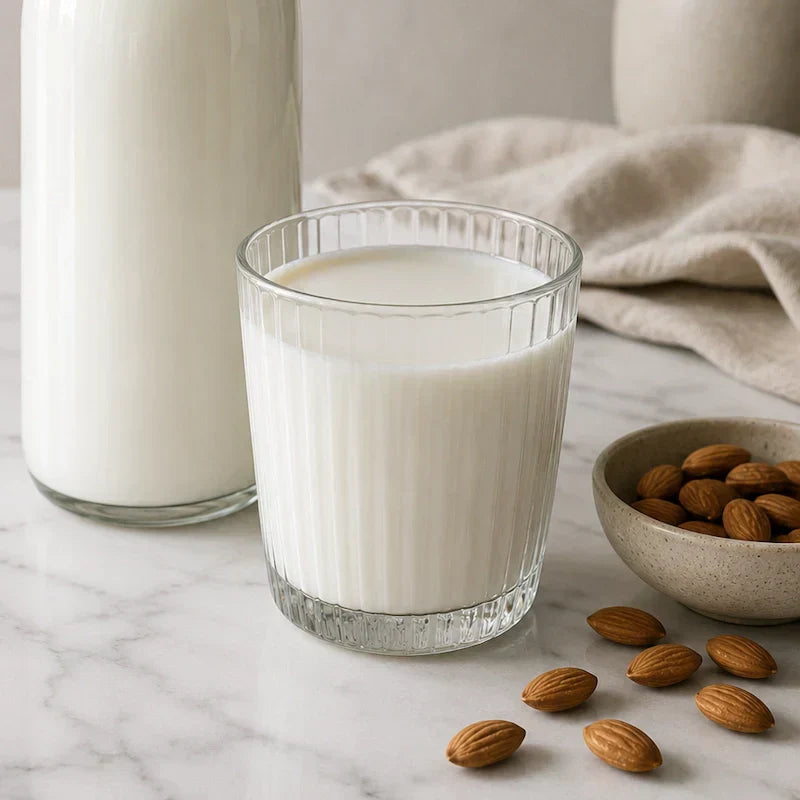
- Soaked almonds, cashews, oats (for nut milk)
Avoid or pre-treat:
- Bananas, avocados, mangoes — too starchy; they clog augers and produce paste instead of juice
- Whole frozen fruit — let it thaw to ~50% before juicing for sorbet mode
- Coconut flesh, dates, dried fruit — fibrous and starch-heavy, better blended
- Apple seeds, cherry pits, peach pits — small amounts of amygdalin, plus they damage the auger
This is where a 3-in-1 design pays off. The Canoly 3-in-1 cold press juicer swaps its juicing screen for a sorbet strainer in 15 seconds, so frozen mango or banana doesn't get rejected.
That same machine handles soaked-almond nut milk on a third attachment, which is why beginners with limited counter space tend to end up with multi-function units rather than a single-purpose juicer plus a separate nut milk bag.
How Long Does Cold Pressed Juice Actually Last?
Cold pressed juice retains 85-95% of its vitamin C and most polyphenols for up to 72 hours when stored at 4°C in an airtight glass container, filled to the brim to minimize oxygen exposure (Journal of Food Science, 2017).
For a detailed breakdown of juice storage conditions, see this guide on how long cold pressed juice lasts.
Practical translations:
- Day 0-1: peak flavor and nutrient profile
- Day 2: slight separation, still 90%+ nutrient retention
- Day 3: noticeable bitterness in leafy-green-heavy juices; citrus-based juices hold longer
- Day 4+: discard
Two beginner-friendly tricks: add 5 ml of lemon juice per 250 ml glass to slow oxidation, and store in 250 ml bottles rather than one large jar so each pour exposes only one bottle to air.

The Noise and Cleanup Reality
Beginners quit juicing for two reasons: cleanup time and morning noise.
Centrifugal juicers run at 75-90 dB during operation — roughly the same as a garbage disposal. Cold press augers run at 40-55 dB, similar to a quiet refrigerator. For households with sleeping children or thin apartment walls, this is the difference between a 6 a.m. juice routine and a 9 a.m. one.
See the quietest cold press juicers tested for apartments and early-morning use.
Cleanup matters even more. A typical centrifugal juicer has 5-7 parts including a fine mesh basket that needs a stiff brush. A well-designed cold press unit has 3-4 parts that rinse in 60-90 seconds. Multiply that by 365 days and the difference is roughly 30 hours of dishwashing per year.
FAQ
Q1: What are some good cold-pressed juice combos for beginners?
The most reliable beginner combos are ABC (apple-beet-carrot), pineapple-cucumber-spinach, and celery-apple-cucumber-mint. Each pairs a sweet base (apple, pineapple, or carrot) with a high-water vegetable and one accent ingredient. This 3-ingredient-plus-one structure produces 340-420 ml of drinkable juice without overwhelming greens.
Q2: Are pressed juices good for diabetics?
Cold pressed juices vary widely in sugar content and require medical guidance for anyone managing diabetes. A vegetable-forward 80/20 juice with leafy greens and cucumber contains roughly 8-12 g of sugar per 250 ml, while fruit-heavy juices can exceed 25 g. Consult an endocrinologist or registered dietitian before adding daily juice to a diabetes management plan.
Q3: What can I put in a cold press juicer?
You can juice most firm fruits, leafy greens, herbs, roots, and soaked nuts. Apples, carrots, celery, cucumber, kale, spinach, ginger, turmeric, and citrus (peeled) all extract well. Avoid bananas, avocados, mangoes, coconut flesh, and stone fruit pits — these are too starchy or fibrous and can damage the auger.
Share:
What Is the Quietest Juicer? Decibel-Tested Picks (2026)
How to Make Nut Milk at Home (No Bag, No Blender Mess, No Additives)